Why they exist
Filmmaker Sean Casey designed TIVs to carry IMAX cameras into storms for science documentaries — like a movie studio on wheels!
👆 Tap two cards to find matching weather symbols!
You matched all 10 weather symbol pairs. You're a weather memory champion!
Tap the Fact Generator for random tornado science — or look up terms in the Definition Finder below.
Are you covered?
Dont get caught off guard, check for official warnings.
Trusted sites for tornado science, weather safety, and meteorology training.
📖 Learning sites & meteorology schools
Meet the armored science trucks built to film tornadoes up close — not something you'd build in your driveway!
⚠️ Safety first! TIVs are built by trained teams for research and movies. Kids should never chase storms or try to armor a regular car. Always stay with a grown-up in a safe shelter when tornadoes threaten.
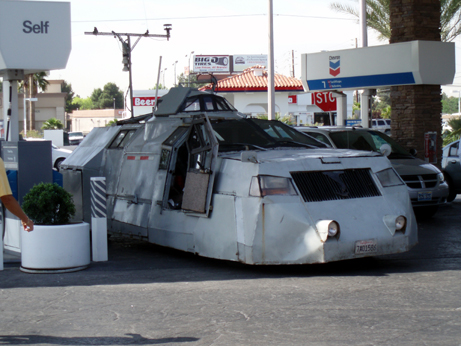

📎 Learn more: Wikipedia — TIV · HowStuffWorks — How the TIV works
Science and meteorology videos for curious storm learners — tap a thumbnail to watch.
Explore camera locations worldwide. Click a pin to watch a real live stream right on the map.
Connecting to live camera…
Click a letter and drag through the end of a word — across, down, or diagonal. Found words stay highlighted and get crossed off the list!
👆 Click and drag in a straight line to find each word.
Every tornado word is highlighted. You're a word-search champion!